Wedding First Dance Timeline: A Month-by-Month Preparation Guide
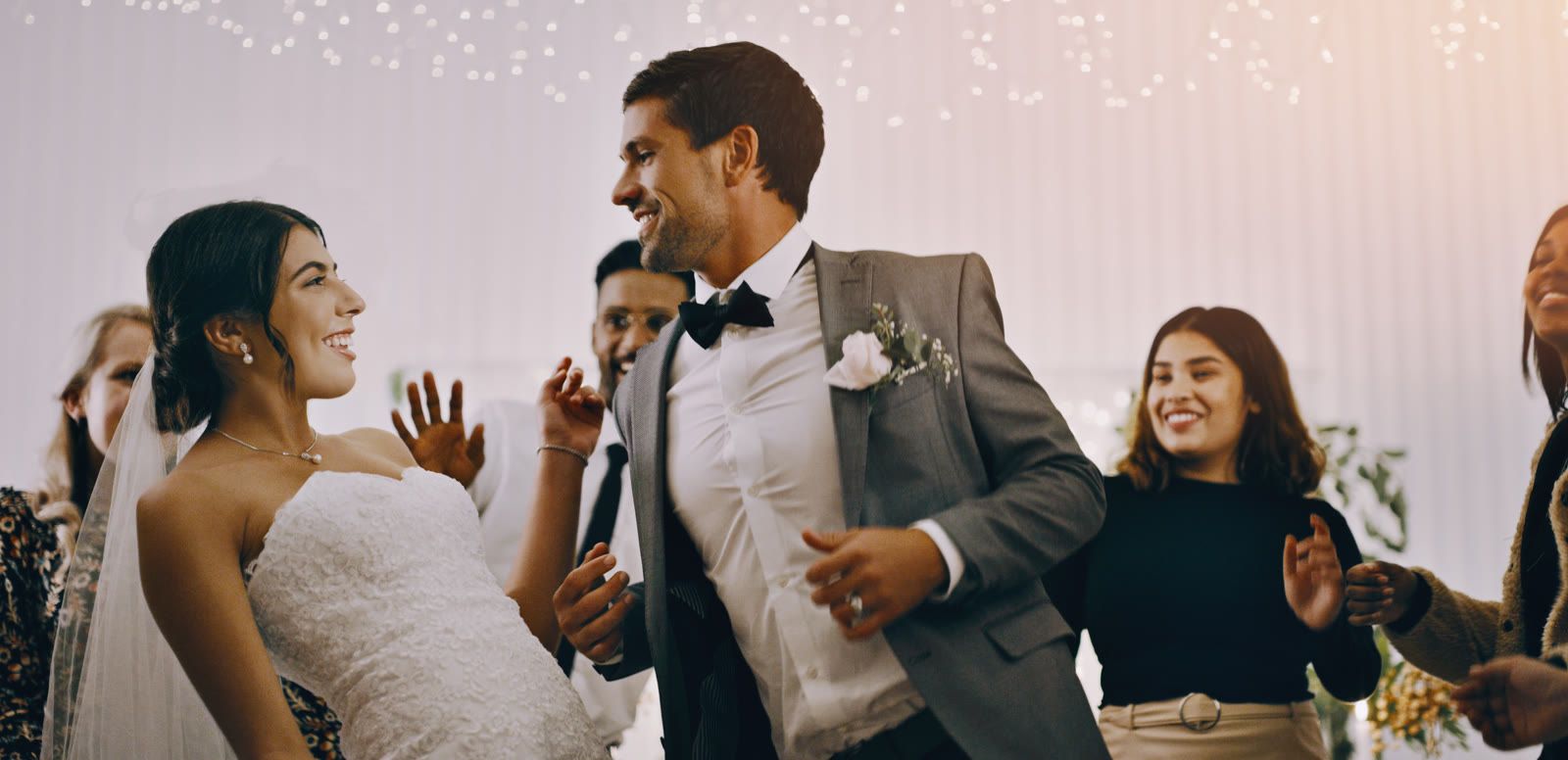
Your wedding day is one of the most important days of your life, and the first dance as a newlywed couple is a moment you'll remember forever. If you're planning to dance at your wedding, you're making a choice that will create a memory you'll treasure. But the question many couples ask is: how much time do we need to prepare? When should we start lessons? How many lessons do we need? This comprehensive timeline will guide you through the entire process, from initial planning to dancing confidently on your wedding day.
12 Months Before the Wedding: Starting Your Vision
A year out might seem early, but this is the perfect time to begin envisioning your first dance. At this stage, you're not committing to lessons yet—you're exploring. Have conversations with your partner about what kind of dance would feel authentic to both of you. Do you want something traditional like a waltz? Something fun and energetic like salsa? Something romantic like bachata? Do you envision intimate and slow, or something with personality and movement?
Start exploring music. Create a playlist of potential first dance songs. Listen to them together. Notice which songs make you want to move, which ones feel romantic, which ones feel authentically 'you.' Your song choice will deeply influence the style of dance you choose and how your lessons progress. At this stage, begin researching wedding dance lessons in the Napa Valley area.
9-10 Months Before: Making Commitments
Now's the time to commit. You've had time to think about your vision. You've identified some potential songs. You know whether you want to learn salsa, bachata, or a traditional dance. Now it's time to reach out to a dance instructor or studio. Many studios offer wedding dance packages specifically designed for couples. These packages are structured to take you from complete beginners to confident dancers in a reasonable timeframe.
At this stage, discuss with your instructor what they recommend. How many lessons do you need? What's the ideal lesson frequency? Most instructors recommend at least one lesson per week, though for busy couples preparing 6+ months out, biweekly lessons can work. Many couples find that 8-12 lessons total is ideal, though this depends on your starting point and ambitions. Some couples want a simple, beautiful basic movement; others want to show off intricate choreography.
6-8 Months Before: Establishing Your Routine
Now your lessons have begun. You're establishing a regular schedule—whether weekly or biweekly—and you're starting to learn your choreography. At this point in the timeline, you're building the foundation. Your instructor is teaching you how to frame properly as partners, how to feel the music, basic rhythm, and the initial choreography steps. This is often the most challenging phase because you're learning fundamental skills while also beginning to choreograph.
Many couples feel awkward at this stage. Maybe you're not natural partners. Maybe you struggle to lead or follow. Maybe you feel self-conscious about the closeness required by some dances. This is completely normal. Your instructor has guided hundreds of couples through exactly this phase. They'll provide modifications, encouragement, and patience. Trust the process. Every couple feels this way initially.
4-5 Months Before: Building Confidence
By this point, the steps are starting to feel less completely foreign. You can remember most of the choreography without constant reminders. You're beginning to feel the musicality rather than just thinking about steps. This is the phase where actual confidence starts building. You might have an intermediate lesson—one where your instructor films your dance or brings in an outside eye to give feedback. Watching yourselves dance can be shocking ('Wait, we actually look like we know what we're doing?'), but it's incredibly valuable for identifying areas to refine.
At this stage, many couples transition from just learning steps to adding styling—the personality moves that make your dance uniquely yours. Your instructor might add a spin here, a shimmy there, variations in levels or directions. This is where your dance starts becoming an actual performance rather than a series of memorized steps.
2-3 Months Before: Refining and Practicing
Now you're in the refinement phase. The choreography is solid. Your lessons shift from learning new material to deepening quality. Your instructor focuses on connection between you and your partner, musicality, timing, and the emotional delivery of the dance. You're also starting to move beyond the dance studio environment and practice at home. Both partners should be spending 15-30 minutes a few times per week dancing to your song, running through the choreography.
At home practice is crucial. This is where your dance becomes muscle memory. You're not thinking through steps anymore; your body knows what to do. This frees your mind and emotional presence. Your instructor will emphasize practicing to your actual song, in your actual wedding venue if possible, so you can account for different acoustics, floor surfaces, and space.
1-2 Months Before: Building Resilience
You're now very close to your wedding day. The choreography is solid. You've practiced extensively. At this point, lessons shift to addressing the nerves that come with performing in front of 100+ guests. Your instructor will talk about managing adrenaline, staying present, and what to do if something goes wrong (spoiler: almost nothing will, but if it does, keep dancing). You might run through your dance multiple times in a single lesson. You might dance it in front of other studio members to practice performing rather than just practicing.
Many couples actually find that their dance improves during this phase because the nerves force them to focus. You can't afford to daydream; you have to be present. Your instructor will teach you to harness nervous energy into enthusiasm and joy rather than letting it create tension.
2-4 Weeks Before: Last Details and Mental Preparation
You're in the final stretch. Your lessons continue, but the focus is less on choreography and more on mental preparation and final polish. Your instructor will discuss practical details: how will you position yourself when your music starts? What's your entrance? Where do you stand in relation to your guests? What happens after the dance ends? These practical details matter because they allow your mind to focus on the dance itself rather than wondering what comes next.
Many couples also schedule a final dress rehearsal dance at the venue with their instructor present. This allows you to practice in the actual location, on the actual floor, in the actual lighting you'll experience on your wedding day. It eliminates variables and builds confidence. If this isn't possible, at minimum practice in clothing similar to your wedding attire so you understand how fabric moves and whether your shoes require any adjustment.
The Week Before: Trust and Release
In the final week, you've done everything you can do. Further practice won't significantly improve your dance—it might actually increase anxiety. At this point, your instructor shifts to confidence-building and encouragement. You might have one final check-in lesson, or you might have already concluded lessons a week or two prior. Either way, the work is done. What remains is trust in your preparation and excitement about your moment.
Your Wedding Day: The Moment You've Trained For
On your wedding day, when your music starts and you step onto the dance floor, you'll feel a rush of emotion. You might feel nervous, excited, or overwhelmed. This is completely normal. What you'll also discover is that your body knows what to do. All those hours of practice have created muscle memory. Your choreography is in your nervous system. When you stop thinking and start dancing, you'll find yourself moving confidently through the steps.
Look at your partner. Feel their presence. Experience the joy of this moment together. Your guests are watching and celebrating you, but for those few minutes, it's just you and your partner, moving to your song. This is the moment you've been preparing for. Own it. Dance it. Enjoy it. Your first dance will be over in moments, but the memory will last forever.
Choosing Between Lessons and Packages
When you're ready to start your journey, you'll need to decide between ongoing individual lessons or a structured wedding package. Our wedding premium package includes comprehensive lessons, choreography tailored to your song and style, video recordings, and ongoing support. It's designed for couples who want to create something special and beautiful. Our wedding express package is ideal for couples closer to their wedding date or those wanting a simplified approach. Both packages include expert instruction and full choreography.
How Many Lessons Do You Actually Need?
This is the question every couple asks. The answer depends on several factors: your timeline (6 months gives more flexibility than 6 weeks), your dance style (simple bachata requires fewer lessons than complex choreographed salsa), your experience (if either partner has dance background, you'll progress faster), and your goals (a slow, romantic dance is achievable in fewer lessons than one with intricate footwork and turns).
Generally speaking, couples with 6+ months should plan for 8-12 lessons at one per week. Couples with 3-5 months should plan for 12-16 lessons, possibly twice weekly. Couples with less than 3 months can still prepare, but they'll need intensive lessons (twice weekly or more). Some couples also pursue private lessons to accelerate their progress or add details to their choreography.
Dealing with Nerves and Self-Doubt
Almost every couple experiences moments of doubt. 'What if I mess up? What if I forget the steps? What if I'm not a natural dancer?' Here's the secret: you don't need to be a natural dancer. You need to be willing to practice and trust your preparation. Our instructors have guided thousands of couples, and we can assure you: almost every couple worries about the same things. Almost every couple also dances beautifully on their wedding day. The nerves you're feeling are just proof that this moment matters to you. Use that emotion to stay present and engaged, not to fuel self-doubt.
Start Your Journey Today
Whether you're a year out or just a few months from your wedding, the best time to start is now. Contact us today to discuss which wedding dance package is right for you. Tell us about your song, your vision, and your timeline. We'll create a customized lesson plan that prepares you perfectly for your wedding day. Your first dance should be a moment of joy, confidence, and connection—not stress. Let us help you create that moment. Your wedding dance awaits.
Planning a Napa Valley wedding?
We take a small number of Napa weddings each month, by reservation.
Reserve a Napa Date