Salsa & Bachata Over 40, 50, 60+ | Napa Valley Guide
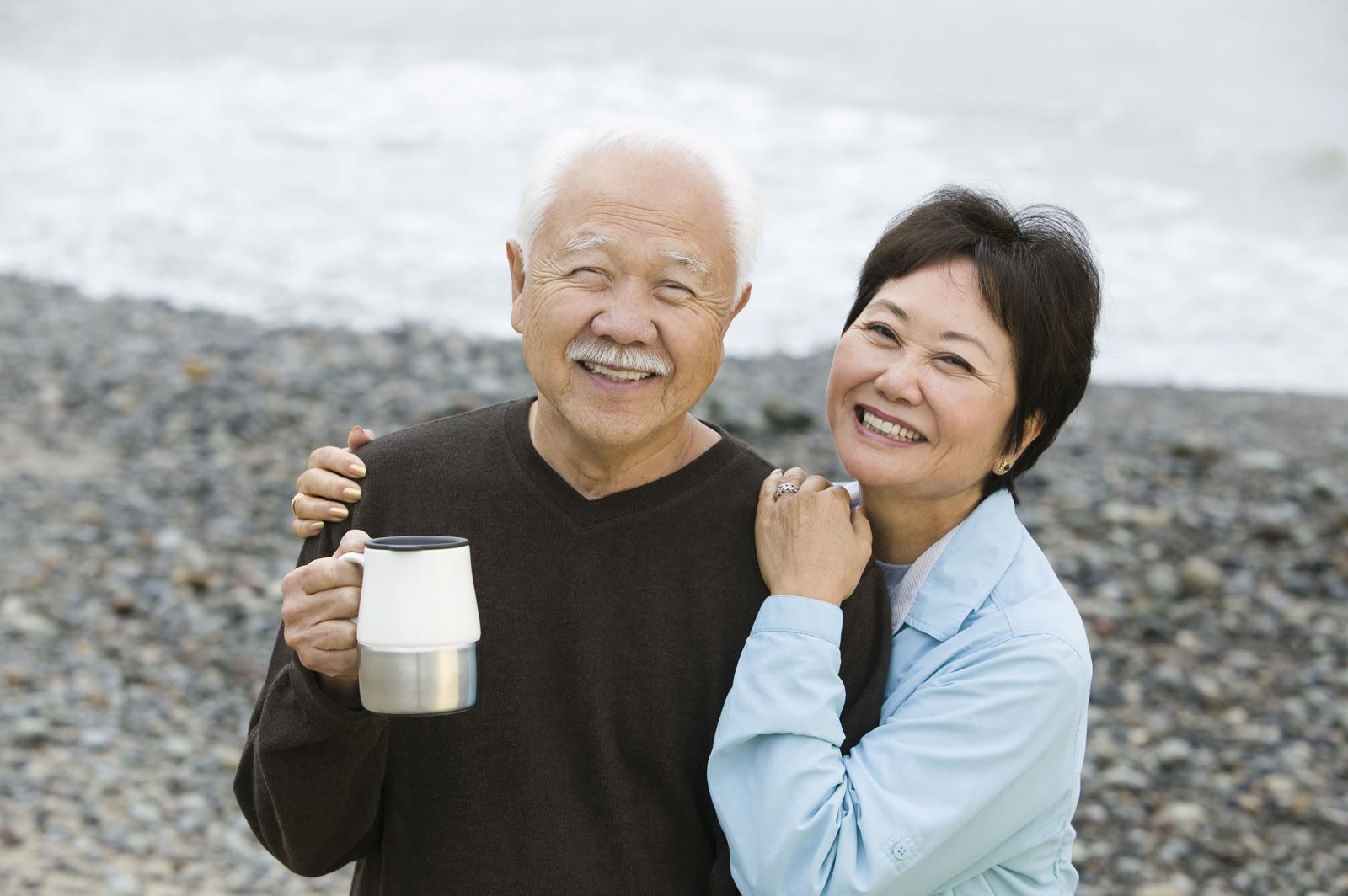
There's a persistent myth that dance is only for the young. Many believe that if you didn't start as a child, you've missed your chance. They think your body is too old, too stiff, or too tired to learn something new. We're here to tell you: this is completely false. Some of the most joyful and dedicated dancers we know began learning salsa and bachata well into their 40s, 50s, 60s, and beyond. Not only can you learn to dance at any age, but research shows that doing so offers profound benefits for your physical health, mental well-being, cognitive function, and social connection. Let's explore why starting late is not just possible—it might be exactly what you need.
Debunking the Age Myths
The belief that you need to start young to be a 'real' dancer is rooted in professional dance culture. Here, extreme training regimens and competition drive early specialization. However, social dancing—like salsa and bachata—is fundamentally different. It's not about elite technique; it's about joy, connection, and cultural participation. People of all ages can absolutely do this. In fact, many aspects of salsa and bachata are easier for mature adults than for young people because they emphasize presence and musicality over athletic explosiveness.
Another myth is that 'I'm too stiff' or 'I have no rhythm.' Stiffness is actually improved through dance, not a reason to avoid it. Rhythm is a skill that develops with practice, not something you're born with. We've taught hundreds of people who came to their first class convinced they had 'no rhythm.' After a few months, they're amazed at how their musicality has developed. The body is more adaptable at any age than we typically believe.
The Physical Benefits: More Powerful Than You'd Expect
Dance is one of the most comprehensive physical activities available. When you learn salsa group classes, you're simultaneously building strength, flexibility, cardiovascular fitness, and balance. For people over 40, 50, and beyond, these benefits are genuinely life-changing.
Strength Development
Strength development happens through resistance training as you support your own weight, engage your core while maintaining frame with a partner, and build the stabilizer muscles in your legs and feet. The difference between dancing and typical strength training is that with dance, you're building functional, integrated strength—not isolated muscles, but systems that work together. This functional strength directly translates to improved ability to perform daily activities.
Cardiovascular Benefits
Cardiovascular benefits are significant. Salsa, in particular, is energetic enough to elevate your heart rate and build aerobic capacity. Unlike running or high-impact exercises that can be hard on joints, dance distributes impact across the body naturally. You can control the intensity—dancing casually is excellent exercise, while dancing energetically provides genuine cardio training. Many dancers find they don't feel like they're exercising; they feel like they're having fun.
Joint Health and Flexibility Improvements
One concern many people over 50 have is that dancing might aggravate joints or worsen arthritis. The research shows the opposite. Dance, when done mindfully, actually improves joint health. The varied movement patterns in salsa and bachata take joints through healthy ranges of motion without the repetitive stress of running or jumping. Proprioception—your body's awareness of itself in space—improves dramatically, which helps prevent injuries because your joints become more stable and better coordinated.
Flexibility improvements are consistent. Dancers report significant improvements in their range of motion within just a few months of regular dancing. This improved flexibility directly translates to less stiffness, less pain, and greater ease of movement in daily life. You can reach that top shelf more easily. You can bend to pick something up without thinking twice. You can turn to look behind you without discomfort.
Balance and Fall Prevention
As we age, balance becomes increasingly important. Falls are the leading cause of non-fatal injury in older adults. Dance is one of the most effective activities for maintaining and improving balance. The constant weight shifts, the focus on precise foot placement, and the engagement required to move with a partner all require and develop excellent balance. Within weeks of starting classes, many dancers report feeling more stable and confident in their movement.
The practice of dancing also trains your body's protective reflexes. You're constantly catching yourself, adjusting, and rebalancing in response to music and partner feedback. This trains your nervous system to stay alert and responsive, which is your body's first defense against falls.
Cognitive Benefits: A Workout for Your Brain
Perhaps the most surprising benefits of learning to dance later in life are cognitive. Learning dance requires focus, memory, coordination, and spatial awareness. These mental demands activate your brain in ways that many routine activities don't. Research on older adults who engage in dance shows improvements in executive function, memory, processing speed, and overall cognitive sharpness.
The partner element adds another layer of cognitive engagement. You must listen to your partner's body, anticipate their movements, and respond in real-time. You must maintain awareness of the music while also being present with another person. This is mental exercise at a high level—far more cognitively engaging than simply repeating rote movements.
For those concerned about cognitive decline as they age, dance is one of the most effective preventive strategies available. It's far more enjoyable than brain training apps, and the research on its cognitive benefits is substantial.
Social Connection and Mental Health
The health benefits of social connection are as significant as the physical benefits of exercise—some research suggests they're even more important. Isolation and loneliness in older adults are linked to serious health consequences. Dance directly addresses these issues by creating community. You meet people. You see them regularly. You have a shared activity and shared goals. Friendships naturally develop.
The mental health benefits are profound. The joy, the focus required by dancing, and the sense of accomplishment as you progress—all contribute to improved mood, reduced anxiety, and greater life satisfaction. Many dancers report that dance becomes a form of moving meditation where worries fall away, allowing them to exist fully in the present moment. This present-moment awareness is exactly what mental health professionals encourage for stress reduction and emotional well-being.
Stories of Dancers Who Started Later
Linda started salsa classes at 52 after her husband passed away. She was grieving, lonely, and convinced that at 'her age' there was nothing new to learn or experience. Within six months of weekly classes, she had made close friends, was attending Latin dance events multiple times a month, and felt genuinely happy for the first time since her loss. She's now in her early 60s and is one of our most dedicated dancers.
Robert came to private lessons at 67 with his partner of 40 years. He was concerned his body was too stiff and his mind too set in its ways. He stuck with it, and within months, he was amazed at how his flexibility, strength, and coordination improved. More importantly, dancing with his partner brought a new dimension to their relationship. They were learning together, being vulnerable together, and creating joy together. He credits dance with revitalizing his marriage in what he thought would be his quiet, retirement years.
Maria started with a group class at 58, convinced she'd be the oldest person there. Instead, she found that half her class was over 45, and several were over 60. She discovered a whole community of people her age who were actively engaged in learning, moving, and living fully. She went from being isolated to having an active social life centered around dance events and classes.
Addressing Common Concerns
'I have arthritis.' Dance can actually help. The varied movements and gentle stretching in dance can improve joint mobility and reduce arthritis symptoms. Always consult your doctor, and let your instructor know about any joint concerns. They'll provide modifications that work with your body, not against it.
'I'm not coordinated.' Coordination is a skill that develops with practice. You're not born with it or without it. Every dancer you see started exactly where you are.
'I'm too shy.' Many people come to dance specifically because they're shy. The structure of the class, the welcoming environment, and the focus on the dance activity rather than on socializing creates a safe space where shy people flourish. By the end of a few months, many shy dancers are confidently attending social events.
'I don't have a partner.' Group classes don't require you to bring a partner. You'll dance with different partners throughout the class, and you'll meet potential partners in the class or at socials. Many people come to classes solo and find their perfect dance partner there.
Why Salsa and Bachata Are Perfect for Mature Adults
Among dance forms, salsa and bachata are particularly well-suited to people starting later in life. They're partner dances, which means you're not responsible for creating all the movement—your partner (or the instructor) is guiding you. This makes them accessible to people who think they're 'not dancers.' They don't require the extreme flexibility or athleticism of some dance forms. They can be danced at a comfortable pace—you can dance a slow, sensual bachata that's gentle on the joints, or you can dance energetic salsa. The choice is yours. And the community around salsa and bachata is exceptionally welcoming to dancers of all ages.
Choosing Private vs. Group Classes
You might be wondering whether private lessons or group classes are better. There's no single answer—it depends on your personality and goals. Group classes offer community, variety of partners, and lower cost. Private lessons offer personalized instruction and faster progress. Many people do both: group classes for community and practice, and occasional private lessons for personalized attention. Both are valuable. Choose based on what feels right for you.
Getting Started: Your First Step
If you're reading this and thinking 'maybe I could try,' this is your sign to take that leap. Don't let age stop you from trying something that could genuinely transform your physical health, mental well-being, and social life. Contact us to learn more about our group classes or dance packages for adults of all ages. Read through our comprehensive guide on the health benefits of salsa dancing to see all the ways your health will improve. And if you want to understand whether private or group learning is better for you, check our guide to private lessons versus group classes.
Your Age Is Not a Limitation; It's an Asset
Here's what we know from years of teaching: people who start dancing later in life often have advantages over younger dancers. You bring presence and intentionality to learning. You're not dancing because your parents made you; you're dancing because you choose to. You value the social and health benefits, so you practice more deliberately. You have the life experience that makes you a better partner—more attentive, more patient, and genuinely interested in connecting with your partner.
Your 50s, 60s, and beyond can be some of the richest, most joyful years of your life. Not because you're 'young again,' but because you're fully present, engaged in activities you love, connected to community, and actively developing new skills. Dance can be at the center of this beautiful chapter of your life.
The Invitation
Age is just a number, but the memories you'll create, the friends you'll make, and the confidence you'll build are priceless. We invite you to join a community of dancers of all ages who are proving every day that it's never too late. Come dance with us. Your next chapter is waiting.
Planning a Napa Valley wedding?
We take a small number of Napa weddings each month, by reservation.
Reserve a Napa Date