How Salsa Builds Confidence & Social Life | Napa Guide
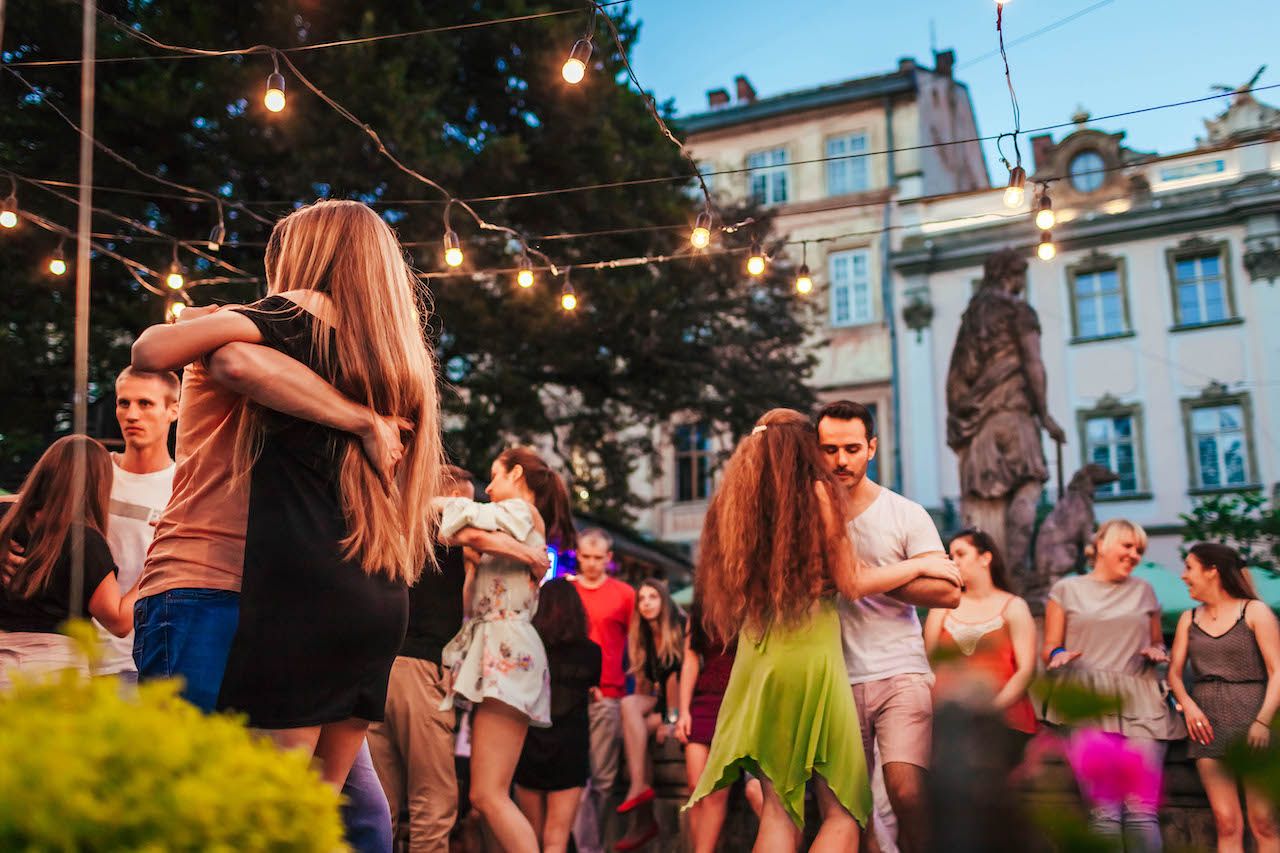
If you've ever felt shy at social gatherings, struggled with self-doubt, or wished you could move through the world with more confidence, you're not alone. What might surprise you is that the solution could be as simple—and as joyful—as learning to dance. Salsa dancing isn't just about stepping in rhythm; it's a transformative practice that builds genuine confidence and opens doors to meaningful social connections. In this article, we'll explore the science behind this transformation and share stories from real dancers who've experienced it firsthand. The confidence benefits of dance extend far beyond the dance floor, affecting how you interact with colleagues, approach challenges, and engage with your community.
The Science of Confidence Building Through Dance
Confidence isn't something you're born with or without—it's built through repeated positive experiences and mastery. When you learn salsa, you're engaging in a structured learning process that creates measurable progress. Each week, you notice improvements: you remember the steps, your connection with a partner improves, the rhythm feels more natural. This tangible progression creates what psychologists call 'self-efficacy'—the belief that you can accomplish what you set out to do. Self-efficacy is one of the most important factors in overall confidence and mental health, and dance is one of the most effective ways to build it.
Beyond the psychological aspects, dancing releases endorphins, the body's natural feel-good chemicals. You're also improving your physical presence—better posture, stronger core, enhanced body awareness. When you stand taller and feel your body's strength, your psychological state shifts as well. You're not 'faking it' until you make it; you're genuinely becoming a more capable, present person. The physiological changes—improved posture, increased muscle tone, better balance—create actual shifts in how others perceive you and how you perceive yourself. Research on embodied cognition shows that standing tall literally affects your confidence levels, independent of any conscious effort.
The learning curve in dance is particularly powerful because it's visible. Unlike many skills where progress is abstract, in dance you can literally see and feel yourself improving. You watch videos of yourself from month one and compare them to month three—the difference is undeniable. This tangible evidence of growth is profoundly confidence-building.
Overcoming Social Anxiety on the Dance Floor
Many people start salsa group classes specifically because they struggle with social anxiety. They imagine the dance floor as a place of judgment, where everyone's watching and critiquing their moves. Here's what actually happens: you enter a room of people who are all there for the same reason—to learn and have fun. Your instructor creates a safe, non-judgmental environment where mistakes are expected and celebrated as part of learning. Partners rotate, so you dance with people at various skill levels, many of whom are nervous too.
Within three or four classes, something remarkable occurs. You realize no one's judging you; they're focused on their own steps. You discover you can do things you thought were impossible. And most importantly, you realize that the anxiety you brought into the room was largely a product of your imagination. This direct experience—proof that your worst fears don't materialize—is far more powerful than any self-help advice. Cognitive behavioral therapy, the gold standard treatment for anxiety, works primarily through this mechanism: creating new experiences that challenge anxious thoughts. Dance naturally creates these experiences.
The beauty of the dance floor is that it's a defined space with clear social rules. Everyone's there to dance. Everyone's permitted to be a beginner. The pressure to engage in small talk or prove yourself conversationally disappears. You can simply focus on learning and moving, which for many anxious people, feels liberating.
Building a Social Network Through Dance
Dance creates immediate bonds. You're literally in physical connection with your partner, learning together, encouraging each other through challenging combinations. You see the same people week after week, and friendships naturally develop. Regular students find themselves making plans to attend Latin dance socials and events together.
The social network that develops around salsa dancing in Napa Valley is particularly welcoming. You meet people from different professional backgrounds, ages, and life situations—unified by a love of music and movement. Many students report that their social circle dramatically expanded within months of starting classes. And unlike hobby groups or networking events where you're forced to make small talk, dancing gives you a shared activity and plenty of natural conversation starters. You might bond over a difficult combination, laugh about stepping on your partner's feet, or celebrate someone's breakthrough. These shared experiences create genuine friendship foundation.
Additionally, the dance community extends beyond just your class. There are socials (social dance events where people gather to dance for fun), workshops, festivals, and online communities. Once you're in the dance world, you discover an ecosystem of related activities and communities. Many students report that their best friendships formed through dance, and some have even found romantic partners through the dance community.
Real Stories of Transformation
Consider Maria, a 38-year-old accountant who took her first salsa class nearly three years ago. She was quiet, uncomfortable in social settings, and convinced that dance was 'for other people.' Within six months, she was attending socials, had made a close friend group through dance, and even traveled to a Latin dance festival. She credits salsa with fundamentally changing how she sees herself and moves through the world.
Maria now describes herself as a dancer and is no longer the shy person who walked into her first class. The transformation wasn't just about steps—it was about identity shift. She now leads others in classes and mentors new dancers.
Or James, a retired engineer who felt isolated after leaving his career. He came to classes thinking it was just an exercise activity. What he found was a community that valued him, a skill that made him feel alive again, and a sense of purpose that extended far beyond physical fitness. He's now one of the most enthusiastic participants in our socials and community events. James has discovered that retirement can be a beginning rather than an ending. He's more socially active than he was when working and reports greater life satisfaction.
The Community Aspect: Your Tribe Awaits
Perhaps the most underestimated aspect of learning to dance is the community you join. When you commit to regular classes, you become part of a family. Your instructors know your goals and challenges. Your classmates celebrate your victories. There's inherent accountability—people notice when you're missing—but in a caring way. You matter here.
This sense of belonging is profoundly confidence-building. You're not just learning steps; you're joining a group of people who are actively choosing to grow, learn, and celebrate together. Check out our guide to Latin dance events to see the rich social calendar that awaits you beyond just classes. The community aspect is often what keeps people engaged long-term. Even if dance were just exercise, people could get that anywhere. But the specific combination of learning, growth, and genuine human connection is what makes dance special.
From Wallflower to Confident Dancer
The transformation typically unfolds in predictable stages. In your first 4-8 weeks, you're focused on basic steps and musicality. You might feel clumsy or self-conscious. Around week 8-12, something shifts. You start to feel the music in your body. Your partner's feedback becomes valuable instead of threatening. By 3-4 months, you can dance a full song without worrying too much about the steps. You're actually experiencing the joy of dancing.
By the six-month mark, you've likely seen dramatic changes. You make eye contact. You smile on the dance floor. You volunteer to demonstrate (something you never thought you'd do). You genuinely enjoy the classes and look forward to them. And perhaps most importantly, you've internalized the knowledge that you're capable of learning new things, connecting with others, and being part of a community. This internalized belief transfers to other areas of life.
Taking the First Step: From Fear to Fun
The confidence-building journey begins with one brave decision: signing up for your first class. Many students tell us that taking that first step was scarier than they expected—and easier than they hoped. Our group classes are specifically designed for beginners, which means you'll be in a room of people who are mostly new to dance. Your instructor will meet you exactly where you are, providing modifications and encouragement.
If you're still on the fence, consider this: what's the cost of not trying? You stay exactly where you are—lacking the confidence and community that could transform your life. But if you take one class, you've proven to yourself that you're brave enough to try something new. That alone is a confidence builder. And our suspicion is that after one class, you'll want to come back. The experience is almost always better than the anticipatory anxiety.
The Ripple Effects of Dance Confidence
Here's what surprises many of our students: the confidence they build on the dance
floor doesn't stay on the dance floor. They speak up more at work. They try new things in other areas of life. They stand taller. They make better eye contact. They feel less anxious in social situations. The skills are transferable because the root issue—the belief that they can't do hard things—has been directly addressed.
Learning to dance requires vulnerability, persistence, and presence. You're literally training yourself to be brave, to keep trying after mistakes, and to engage fully in the moment. These are the exact skills that build confidence in every area of life. If you're curious about how dance might complement other personal growth activities, explore our comprehensive health benefits of salsa dancing article.
Your Confident Future Starts Now
You don't need to be naturally gifted at dance or born with abundant confidence. You need to be willing to show up, be a beginner, and trust the process. Thousands of people in Napa Valley—people who felt just like you—have already started. They've discovered that they're capable of far more than they imagined, that their community is filled with people who care about them, and that life is significantly more joyful when you move to music and connect with others.
The question isn't whether you're 'good enough' to dance. The question is: are you ready to be confident? Are you ready to be part of a community? Are you ready to discover what you're truly capable of? If so, it's time to book your first salsa class. Your more confident self is waiting on the other side of that first class. We can't wait to meet you on the dance floor.
Planning a Napa Valley wedding?
We take a small number of Napa weddings each month, by reservation.
Reserve a Napa Date