Best Salsa & Bachata Music for Beginners | Playlist Guide
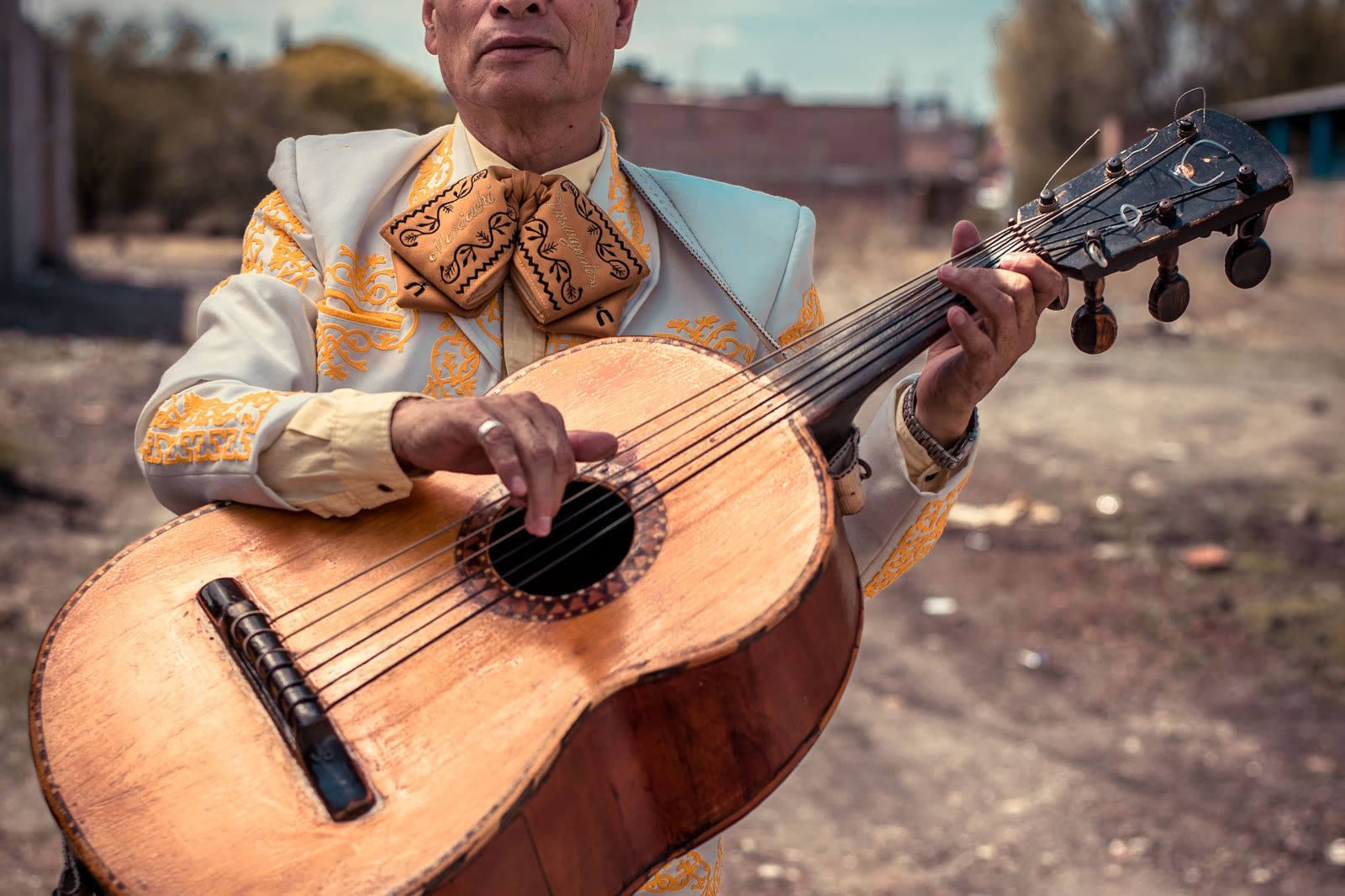
One of the biggest revelations students have when starting salsa or bachata classes is how deeply the music shapes the entire experience. When you're learning to dance, the right music makes steps feel natural, makes the rhythm intuitive, and makes the whole experience joyful. The wrong music can leave you frustrated and confused. This guide will help you understand the structure of salsa and bachata music, and we'll provide you with specific song recommendations so you can practice at home and develop your ear. Understanding music will transform your dancing from mechanical step-repetition into genuine artistry and expression.
Understanding Salsa Music Structure: The Foundation
Before diving into song recommendations, let's understand what makes salsa music tick. Salsa is built on a two-bar structure called the clave rhythm, which creates the foundational pulse that dancers follow. The most common clave in salsa is the son clave, which sounds like 'ta-ta-ka, ta-ka' (or in numbers: 1-2-3, 5-6). This clave repeats throughout the entire song, giving salsa its distinctive rhythmic identity. Understanding the clave is key to understanding why certain songs feel so satisfying to dance to.
The montuno is another crucial element—it's the rhythmic and melodic pattern, usually played on piano or other instruments, that repeats throughout the song. The montuno often emphasizes the clave rhythm and gives salsa its characteristic 'bounce.'
Understanding that these two elements exist helps you understand why certain songs feel easier or more satisfying to dance to. Once you learn to hear the clave and montuno, you'll recognize them in almost every salsa song, and this recognition will deepen your appreciation for the music and make dancing to it more intuitive.
Salsa music also features instrumental sections where the band 'trades' or showcases individual instruments and sections. These moments are opportunities to showcase your own styling and take dancing breaks. Understanding the structure of salsa music helps you navigate these moments with confidence and musicality rather than confusion.
Counting Salsa: Breaking Down the Beat
In salsa, we dance to an 8-count, but the music is built on a 4/4 time signature. This might sound confusing, but here's the simplicity: you count 1-2-3, pause on 4, then 5-6-7, pause on 8. Most beginners start by learning basic patterns on this count. When you're choosing music to practice with, understanding this count helps you recognize patterns. Slower songs (around 90-100 BPM) are ideal for beginners because they give you time to think through your steps. Faster songs require more fluid, automatic movement. The relationship between the musical structure and the dance structure is fundamental—they're not separate; they're one integrated system.
Essential Salsa Songs for Beginners
Here are some of the best salsa songs for beginners to practice with. These are either slower, have clear rhythm, or have become standards in group salsa classes:
'El Cantante' by Héctor Lavoe (Original)—This is often called the national anthem of salsa. It's a moderate-tempo song (around 96 BPM) with clear rhythm and beautiful, melancholic melody. It's perfect for practicing basic patterns and getting a feel for traditional salsa rhythm. Héctor Lavoe's voice is pure salsa gold, and this song is a masterpiece that every serious salsa dancer should know intimately.
'Lloraras' by Oscar D'León—A gorgeous, slower salsa (around 90 BPM) that allows you to really feel each step. The rhythm is very clear, making it ideal for beginners to practice with. Oscar D'León is known as 'the Bolaño salsa singer' and this song showcases why—the emotional depth combined with rhythmic clarity is unmatched.
'Toro Mata' by Ismael Rivera—A fun, energetic song (around 95 BPM) that's a favorite in beginner classes. The rhythm is driving without being overwhelming. Ismael Rivera's energy is infectious, and dancing to this song naturally puts people in a happy mood.
'Que Vueltas Da La Vida' by Celia Cruz and Johnny Pacheco—Moderate tempo with a catchy rhythm. Perfect for practicing turns and basic footwork. Celia Cruz's incredible voice and the musicianship in this recording make it a pleasure to practice with repeatedly.
'Lloraras' by Juan Luis Guerra—A contemporary take on the classic, slightly faster but still manageable for beginners. This version brings freshness while maintaining the beauty of the original.
Understanding Bachata Music and Rhythm
Bachata has a different rhythmic feel than salsa. While salsa is typically faster and uses the 1-2-3, 5-6-7 count, bachata uses a 1-2-3, 4-5-6 pattern, which gives it a different groove. Bachata also emphasizes syncopation—off-beat rhythmic elements—which creates its characteristic sensual feel. The guitar is the hero of bachata music, and the rhythm guitar pattern (called the 'raspgueo') is what gives bachata its distinctive sound. Understanding these musical elements helps you understand the dance at a deeper level.
Bachata tempos are generally slower than salsa, typically ranging from 90-120 BPM, which makes it very accessible for beginners. The slower tempo allows you to focus on connection with your partner and the nuance of your movement. Bachata is often described as intimate and romantic, and the music directly supports this quality—the typically slower tempo and the guitar-centered instrumentation create a warm, personal feeling that's quite different from the bigger, more energetic feel of salsa.
Essential Bachata Songs for Beginners
If you're interested in exploring bachata, try these classics and modern favorites that are perfect for beginner bachata classes:
'Bachata Rosa' by Juan Luis Guerra—This is THE classic bachata song. It's beautifully structured, clearly rhythmic, and emotionally resonant. It's what many people think of when they hear the word 'bachata.' The production is sophisticated, the arrangements are beautiful, and it's an absolute joy to dance to. If you learn one bachata song, let it be this one.
'Pídeme' by Juan Luis Guerra—Another masterpiece from Guerra. The rhythm is very clear, and the tempo is beginner-friendly. The song showcases beautiful guitar work and sophisticated arrangements.
'Obsesión' by Aventura feat. Don Omar—A modern bachata classic (though it blends some reggaeton influences). It has clear rhythm and is widely known, making it motivating to dance to. This song proves that modern bachata can be just as danceable and beautiful as traditional styles.
'Colores' by Don Juan & Martín Preciado—A beautiful, melodic bachata with clear rhythm for beginners.
'Que Vueltas Da La Vida' by Juan Luis Guerra—Yes, this exists in both salsa and bachata versions! The bachata version is gorgeous for practicing.
Traditional vs. Modern: Which Should You Learn?
You might notice we've recommended primarily traditional songs by legends like Juan Luis Guerra, Héctor Lavoe, and Ismael Rivera. There's a reason for this: these classic songs have the clearest rhythmic structures. They were created to showcase the beauty of the rhythm itself. Modern salsa and bachata certainly have merit, and many dancers prefer the contemporary sound, but for beginners, traditional music is more forgiving. The rhythm is clearer, the progression is more straightforward, and they're the songs you'll encounter in every beginner class.
That said, you don't have to choose. As you progress, explore both. Modern artists like Aventura, Bachata Sensitiva artists, and contemporary salsa musicians are creating incredible music that's also valuable for dancers at any level. Think of traditional songs as your foundational training ground and modern songs as your expanding repertoire.
How to Use Music for Home Practice
Understanding these songs will enhance your learning dramatically. Here's how to use music effectively at home: First, listen to the song without dancing. Close your eyes and count. Find the clave rhythm or the montuno. Get the feel of the song in your body.
Second, listen while practicing basic steps. Focus on hitting the accents of the rhythm with your weight shifts. Third, find a partner or practice with the mirror, and focus on connection and fluidity rather than perfection.
When you attend salsa group classes, you'll recognize the songs you've practiced with, and the learning will feel less like 'learning' and more like 'remembering.' This confidence boost is incredible. You'll also start to understand the music on a deeper level, which is one of the greatest joys of learning to dance.
Building Your Practice Playlist
Create a playlist with the songs mentioned above, roughly 15-20 songs that range from 90-100 BPM. Include equal numbers of salsa and bachata so you can practice both. Spend several weeks with this foundational playlist before you branch out to faster or more complex arrangements. Let your ear develop. Start recognizing the clave, the montuno, the characteristic sounds. You're not just learning steps; you're learning to hear music the way dancers do. This ear training is as important as the physical training, and it will pay dividends in your dancing for years to come.
Exploring Latin Dance Events and Communities
As you develop your ear and your love for this music, you'll want to immerse yourself further. Napa Valley hosts numerous Latin dance events and socials where you can hear live music and dance with the community. Check out our complete guide to Latin dance events to discover where you can experience live salsa and bachata music in real-time. There's truly nothing like dancing to live music with a band—it's the ultimate learning experience and deeply rewarding emotionally.
The Gift of Musical Understanding
One of the unexpected gifts of learning to dance is developing an appreciation for music you might have otherwise overlooked. You'll hear the clave rhythm in songs you've heard a thousand times. You'll recognize the montuno pattern and feel your body naturally want to move. The world becomes more musical. Your appreciation for the artists who created and continue to create this music deepens significantly. You begin to understand why salsa and bachata are not just dance styles, but genuine art forms with rich histories, complex musical structures, and profound cultural significance.
As you practice with these songs, you're not just getting better at dancing—you're participating in a cultural tradition that spans centuries and crosses continents. You're keeping alive the music of Celia Cruz, Héctor Lavoe, and Juan Luis Guerra. And you're preparing yourself to fully enjoy the community, the events, and the joy that awaits you in the dance world.
Start Your Musical Journey Today
Whether you're brand new to salsa and bachata or looking to deepen your practice, the right music is transformative. Download or stream the songs mentioned above, create your playlist, and spend time listening and practicing. Then come join us for group classes where you'll hear these songs in real time and feel them in your body with an instructor guiding your journey. The combination of home practice with the right music and classroom learning with expert instruction is unstoppable. Your musical education is about to begin.
Planning a Napa Valley wedding?
We take a small number of Napa weddings each month, by reservation.
Reserve a Napa Date